When people want something to change, they often start with tactics. A new plan. A new system. A new goal. Those things can help, but they rarely solve the real problem if the thinking underneath them stays the same.
Mindset is not about pretending everything is positive. It is about how you interpret what is happening, what you believe is possible and what you choose to do next.
What you believe shapes what you notice
If you believe a problem cannot be solved, you tend to collect evidence that proves you right. If you believe there may be a route forward, you start asking different questions. What can I influence? What have I missed? Who could help? What is the smallest useful action I can take?
That shift does not guarantee an easy answer, but it changes your relationship with the problem. You move from passive frustration towards active thinking.
Mindset is not positive thinking
There is a difference between useful mindset and blind optimism. Useful mindset does not ignore risk, pressure or difficulty. It accepts reality and then asks what can be done with it.
A business owner facing a cash-flow problem does not improve the situation by simply telling themselves everything will be fine. They improve it by staying calm enough to review the numbers, challenge assumptions, speak to customers, cut unnecessary cost and make decisions early.
A leader under pressure does not need motivational slogans. They need enough perspective to separate fact from fear and decide what matters most.
Mindset is tested when things stop going to plan
It is easy to feel confident when progress is obvious. The more useful test is what happens when plans change, results are slower than expected or something fails completely.
At that point, a fixed response says, “This proves I cannot do it.” A more useful response asks, “What is this showing me?” That question creates room for learning, adaptation and a different decision.
Watch the language you use with yourself
The language we use shapes the way we frame a problem. “I have failed” feels very different from “That approach did not work.” “I am terrible at this” is different from “I have not learned this yet.”
This is not about avoiding responsibility. It is about describing the situation accurately enough to keep your options open.
When the language becomes absolute, thinking often becomes narrow. Words such as always, never, impossible and hopeless can shut down useful questions before you have explored the situation properly.
Separate what you can control from what you cannot
One of the quickest ways to become stuck is to spend too much energy on things outside your control.
You may not control a customer decision, the economy, an organisational restructure or another person’s behaviour. You can control how prepared you are, how you communicate, what options you create and what action you take next.
This distinction matters because attention is limited. Use it where it can make a difference.
Confidence often follows action
People sometimes wait until they feel confident before they take action. In practice, confidence often works the other way around. You act, you learn, you improve and confidence grows from evidence.
The first action may feel uncomfortable. That does not mean it is wrong. It may simply mean you are doing something unfamiliar.
Three questions that improve your thinking
- What is actually happening, rather than what am I assuming is happening?
- What part of this situation can I influence?
- What action would move me one step forward today?
Good thinking is rarely dramatic. It is often a series of small corrections that help you see the situation more clearly and respond more deliberately.
Mindset creates the conditions for the other 5 M’s
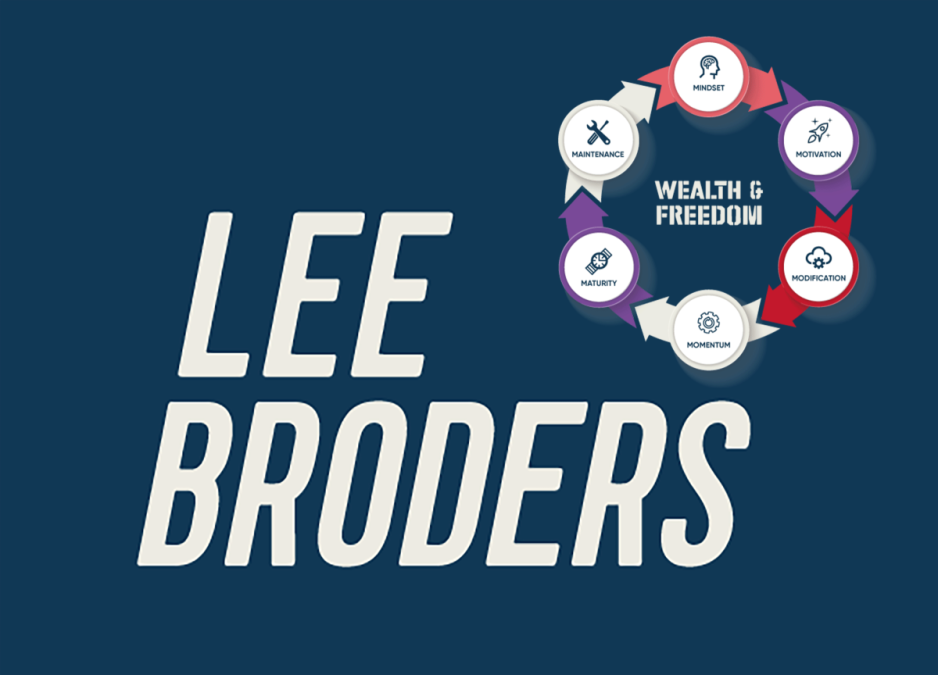
Mindset sits at the beginning of my 6 M’s framework because it influences everything that follows. Motivation, modification, momentum, maturity and maintenance are much harder if the way you are thinking keeps pulling you back to the same assumptions.
You do not need to have everything worked out. You do need to be willing to examine your thinking and change it when the evidence suggests there is a better way.
What good looks like
A useful mindset is curious, realistic and action-oriented. It accepts difficulty without making difficulty the whole story. It makes room for challenge, evidence and different perspectives.
Most importantly, it helps you move from “Why is this happening to me?” to “What am I going to do with what is happening?”
Conclusion
Mindset matters because it comes before motivation, action and momentum. If the thinking is confused, the action usually is too.
Practical takeaway: When you feel stuck, do not immediately ask what you should do. Ask what you may need to think about differently first.
If you are working through an important business or leadership decision and would value an independent perspective, see Business Mentoring or Executive Coaching.
Archive note: This Insight reflects themes I have discussed in mentoring, coaching and speaking since 2019 and has been edited and expanded for the current website.