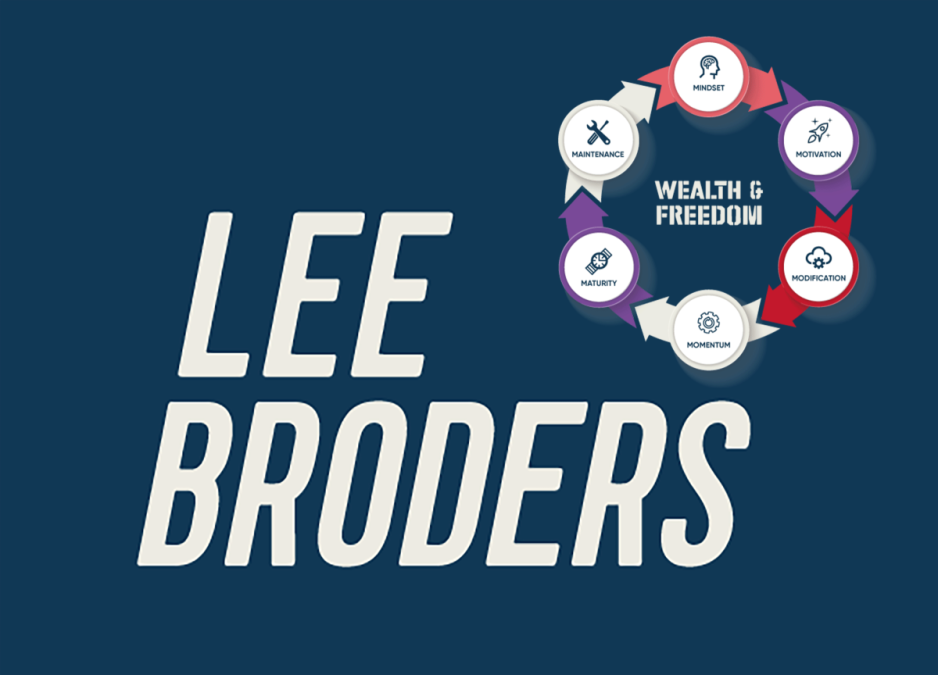
The 6M’s methodology can be applied to change in business, work or any other part of life.
The six stages are Mindset, Motivation, Modification, Momentum, Maturity and Maintenance.
Mindset comes first for a reason.
Before you change what you are doing, it is useful to understand the thinking that is producing the current behaviour, decisions and results.
This is not about forcing yourself to be positive. It is about becoming more accurate.
Start with the change you actually want
Mindset work becomes vague very quickly if it is disconnected from a real situation.
Choose one area.
It could be growing a business, changing career, improving a relationship, becoming healthier, delegating more, speaking in public or finally starting something you have postponed.
Then ask: what am I currently telling myself about this?
You may hear thoughts such as:
- “I do not have enough time.”
- “I am not ready yet.”
- “Nobody else can do it properly.”
- “I have tried before, so it probably will not work.”
- “I need to know exactly how everything will work before I start.”
The purpose is not to judge the thought. It is to notice it.
Separate fact from interpretation
A useful mindset question is: what do I know, and what am I assuming?
“The proposal was rejected” is a fact.
“Nobody values what I do” is an interpretation.
“I made a mistake in the presentation” may be true.
“I am terrible at public speaking” is a much larger conclusion.
When fact and interpretation become fused together, our options become narrower.
Separating them gives us room to choose a more useful response.
Look for the belief behind the behaviour
Behaviour often makes more sense when you understand the belief underneath it.
An owner who refuses to delegate may not simply be controlling. They may believe that asking someone else to do the work will reduce quality, disappoint a customer or expose that the process is not properly documented.
A professional who keeps delaying a career change may not lack ambition. They may believe that leaving a secure role would mean wasting everything they have built.
A person who repeatedly abandons a goal may believe that anything less than perfect progress means failure.
Once the belief is visible, it can be examined.
Ask whether the belief is still useful
Some beliefs were useful once.
“I have to do everything myself” may have helped when the business had no team.
“Work harder than everyone else” may have helped you build a career.
“Do not take unnecessary risks” may have protected you at a particular stage of life.
The question is not whether the belief is good or bad.
The question is whether it still helps you create the outcome you want now.
Move from Mindset to Motivation
The 6M’s are not intended to leave you thinking forever.
Once you have challenged the thinking, Motivation asks why the change matters.
What becomes possible if you follow through? What does the current situation cost you? Who else is affected? What would success give you in terms of time, money, confidence, health, relationships, freedom or choice?
A strong reason makes the next stage easier.
Modification turns thinking into something practical
Modification asks what needs to change.
Not everything. Something.
What is the smallest useful adjustment that proves the new way of thinking can become action?
If you believe delegation is necessary, the modification may be handing over one defined process.
If you want a career change, it may be arranging one exploratory conversation.
If you want to improve your health, it may be changing one part of the daily routine.
Small modifications create evidence.
Momentum is built from repeated evidence
Once the action starts, momentum matters.
People often wait to feel motivated again before continuing. A better approach is to notice the evidence that progress is happening.
You kept the commitment. The conversation went better than expected. Somebody else completed the task. You learned something. You recovered more quickly from a setback.
Those small results help reinforce the new mindset.
Maturity means learning rather than defending
Maturity in the 6M’s is the ability to review what is happening and adjust.
A mature response is not, “I said I would do it this way, so I must keep doing it this way.”
It is, “What is the evidence showing me?”
You may need a different method, more support, a smaller step, more time or a different goal altogether.
Changing the approach is not automatically failure.
Maintenance prevents a temporary improvement
The final stage asks how the change will survive when attention moves elsewhere.
What routine, boundary, system, review point or accountability will keep the improvement in place?
This matters because many changes work while they are new and disappear when normal life resumes.
Maintenance is where progress becomes part of how you operate.
A practical 6M’s review
Take one change you want to make and write one answer under each heading:
- Mindset: What am I currently believing or assuming?
- Motivation: Why does this change matter?
- Modification: What is the first practical change?
- Momentum: What evidence will show me I am moving?
- Maturity: What will I review and be willing to adjust?
- Maintenance: How will I stop the old pattern returning?
The value is not in producing perfect answers. It is in moving from vague intention to a clearer process for change.
Conclusion
Mindset is the starting point, not the finishing point.
Useful mindset work helps you see the situation differently enough to make a better choice, and then the rest of the 6M’s help turn that choice into sustainable change.
Practical takeaway: Choose one change you want to make and identify the belief or assumption that may be keeping the current pattern in place.
For more on the starting point, read Mindset Is Where Progress Starts. If you want support applying this thinking to a business, leadership or career challenge, explore Business Mentoring, Executive Coaching or Career & Professional Development.
Archive note: This Insight draws on my 6M’s methodology and has been edited and expanded for the current website.