Progress is often presented as something dramatic. Set a bigger goal. Work harder. Push through. Stay motivated. Do more.
That approach can produce short bursts of activity, but it is not always a good way to create lasting change.
Sustainable progress looks different. It is less about intensity and more about repeatability. It combines useful thinking with realistic action and enough self-awareness to adjust when something is not working.
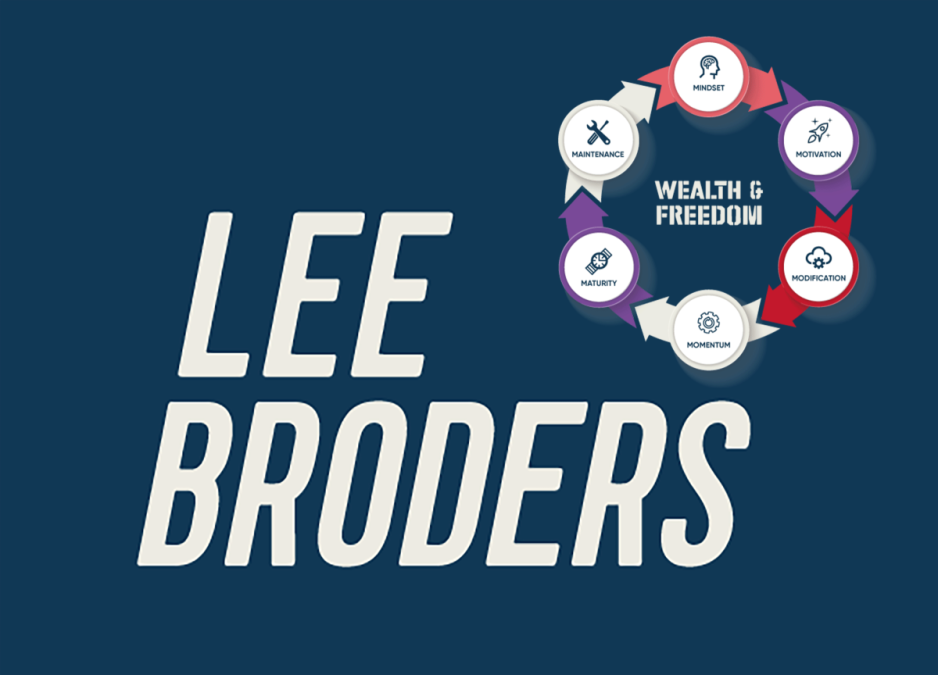
This is one reason I use the 6 M’s methodology: Mindset, Motivation, Modification, Momentum, Maturity and Maintenance. The stages help make change practical rather than dependent on enthusiasm alone.
Mindset starts with an accurate view of reality
A useful mindset is not about pretending everything is positive.
It is about seeing the situation clearly enough to make a better decision.
If something is not working, acknowledge it. If you are overwhelmed, say so. If a goal is unrealistic, change it. If you have made a mistake, learn from it.
Progress becomes harder when all your energy goes into defending an old decision or pretending a problem does not exist.
Reality is not the enemy of optimism. It is the starting point for useful change.
Motivation needs something stronger than mood
Motivation is unreliable if it depends entirely on how you feel that day.
There will be days when the work is easy and days when it is not. If the reason behind the change matters enough, you can continue even when enthusiasm is lower.
Ask what the change is for. Why does it matter? What becomes possible if you follow through? What is the cost of staying exactly where you are?
A clear reason gives effort somewhere to go.
Modification makes the change usable
People often make change too large at the beginning.
They redesign the whole business, change every habit, rewrite every process or set a target that requires a completely different lifestyle from tomorrow morning.
Large intentions can be useful, but lasting change often arrives through smaller modifications.
What can you change this week? What can you remove? What can you simplify? What can you make easier to repeat?
A small useful change that continues is usually more valuable than a dramatic change that lasts for five days.
Momentum comes from evidence
Momentum grows when you can see that your actions are producing something.
That does not always mean a big result. It may be a completed task, a difficult conversation handled well, a week of following a new routine, a new lead, a better decision or simply evidence that you kept the commitment you made to yourself.
Notice useful progress. Record it. Review it.
When people only measure the final destination, they can feel as if nothing is happening for a very long time. Smaller measures help maintain perspective.
Maturity means changing your approach when the evidence changes
Persistence is valuable, but persistence is not the same as repeating the same thing indefinitely.
Maturity is being willing to learn from what happens.
If something works, understand why. If it does not work, ask what the result is telling you. Do you need more time, a different method, more support, a smaller target or a completely different direction?
Changing the method is not automatically giving up on the goal.
Maintenance is where progress becomes part of normal life
Many changes fail after the initial improvement.
The weight is lost and returns. The diary is organised and becomes chaotic again. The business process is documented but nobody uses it. The leader starts delegating and then takes everything back when pressure increases.
Maintenance asks how the improvement will continue when attention moves somewhere else.
That may require a routine, a review point, accountability, automation, a checklist or simply a decision about what you are no longer prepared to accept.
Sustainable progress has a pace
One of the clearest signs of unsustainable progress is that it requires you to operate at maximum effort all the time.
There will be periods when extra effort is necessary. Deadlines happen. Launches happen. Difficult periods happen.
But if the normal plan only works when you are exhausted, the plan needs work.
Sustainable progress leaves room for recovery, thinking and ordinary life. It recognises that consistency is easier when the system around the behaviour supports it.
Watch for all-or-nothing thinking
People often abandon progress because one part of the plan slips.
One missed workout becomes a failed fitness plan. One difficult week becomes proof that the new routine does not work. One poor sales month becomes a reason to abandon the strategy.
A more useful question is, “What is the next action that gets me moving again?”
Progress does not require perfection. It requires recovery.
Build a review habit
Change becomes more sustainable when you regularly review it.
A simple weekly review can ask:
- What worked this week?
- What did not work?
- What did I learn?
- What needs to change?
- What is the most useful next action?
These questions keep you engaged with the process without turning every setback into a judgement about yourself.
Progress should improve your life, not consume it
Goals matter, but they are not separate from the rest of your life.
If business growth destroys your health, relationships and ability to think, it is reasonable to question whether the definition of success needs to change.
If career progression gives you a title you wanted but removes everything else you value, the result may not feel like progress.
Sustainable success includes the person who has to live with it.
Conclusion
Sustainable progress is rarely one dramatic decision. It is a sequence of useful decisions that can survive ordinary days, difficult days and changing circumstances.
Practical takeaway: Do not only ask whether a change can produce a result. Ask whether you can maintain the behaviours required to keep that result.
If you want support turning an important change into practical, sustainable action, explore Executive Coaching, Career & Professional Development or Business Mentoring.
Archive note: This Insight reflects themes I have discussed in mentoring, coaching and speaking since 2019 and has been edited and expanded for the current website.