
Momentum is one of those things that feels obvious once you have it and frustratingly absent when you do not.
The temptation is to wait for a breakthrough. In reality, momentum is normally built through a series of ordinary actions completed consistently.
Progress creates energy
Taking action creates feedback. Feedback helps you adjust. Adjustment improves the next action. Once that cycle starts working, progress becomes easier to see and easier to continue.
This is why starting matters so much. You cannot improve an action you have not taken.
Momentum is a result, not a starting condition
People sometimes say they need to “get some momentum” as if momentum is something that appears before the work begins.
Usually it is the opposite. You create momentum by beginning, even when the first actions feel slow and awkward.
The first customer conversation, first difficult meeting, first application or first week of a new routine may not feel impressive. It matters because it creates movement.
Consistency is more useful than intensity
A short burst of intense effort can feel productive, but it often creates exhaustion rather than sustainable progress. Consistent action is less exciting, but usually more effective.
- One meaningful sales conversation every working day.
- One hour of protected strategic thinking each week.
- A regular review of priorities and numbers.
- A commitment to finishing before adding another task.
Small disciplines compound. The individual action may not look significant, but the pattern becomes significant over time.
Visible progress matters
Momentum becomes easier to maintain when you can see evidence that effort is producing movement.
This is one reason large goals benefit from smaller milestones. A goal that is twelve months away can feel abstract. A weekly measure makes progress more immediate.
Track the actions and outcomes that matter, not everything that can be measured.
Protect momentum from unnecessary complexity
One of the quickest ways to lose momentum is to make the process too complicated. Too many priorities create diluted attention. Too many tools create administration. Too many goals create conflict.
Ask what really needs to move forward now. Then protect enough time and attention to keep moving it.
Momentum can be lost through indecision
Not every decision needs extensive analysis. When routine decisions remain unresolved, work slows down around them.
A useful rule is to match the amount of thinking to the consequence of the decision. Important, difficult-to-reverse decisions deserve more time. Low-risk, reversible decisions should usually move faster.
That discipline protects energy for the decisions that genuinely matter.
Accountability keeps the cycle moving
A regular review creates a point where progress has to be examined honestly.
What did you commit to? What happened? What got in the way? What did you learn? What happens next?
This is one reason mentoring and coaching can be useful. The value is not simply the conversation. It is the rhythm of thinking, decision, action and review.
Do not confuse activity with momentum
A full diary can create the impression of progress while the important work remains untouched.
Momentum should be measured against the outcome, not the amount of activity. If the activity is not moving the outcome, it may need to change.
Momentum and the 6 M’s
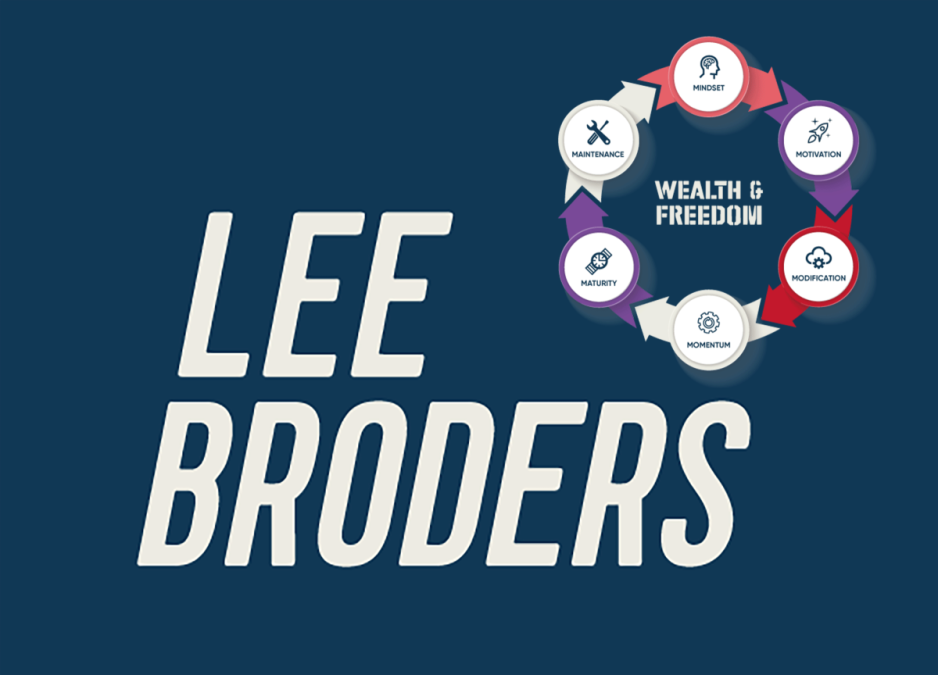
Momentum is the fourth stage of my 6 M’s framework. Mindset helps you see the situation differently. Motivation creates a reason to move. Modification changes the practical approach. Momentum is what begins to happen when those changes are repeated consistently.
It is not permanent. It has to be protected and directed.
What good looks like
Good momentum feels steady rather than frantic. Important actions are happening regularly, feedback is being used and priorities remain visible.
There is enough progress to create confidence without becoming complacent.
Conclusion
Momentum is built through action that is repeated long enough to create evidence.
Practical takeaway: Choose one area where progress matters. Decide what consistent action looks like, then make that action repeatable.
If you need help creating clearer priorities and accountability around an important business goal, see Business Mentoring.
Archive note: This Insight reflects themes I have discussed in mentoring, coaching and speaking since 2019 and has been edited and expanded for the current website.